Healing broken and impaired relationships is a central part of recovery from addiction, and it can require making a series of deep, heartfelt apologies to those who are closest to you. Doing your part to say that you are sorry for any pain you caused, however, is a little more nuanced than you might think. There are a variety of ways that we say that we’re sorry to one another, many of which actually do not make for an apology at all. These not-quite-apologies are commonly referred to as “non-apology apologies,” “fauxpologies,” and “nonpologies.” Here are some common ways that we say we’re sorry without actually making a sincere apology.





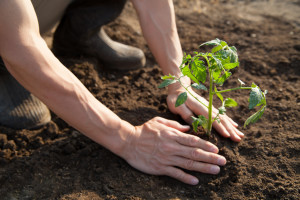 Have you ever read The Secret Garden? It’s a children’s story about a girl, damaged, suspicious, and neglected after the death of her parents. However, when the girl finds a walled garden, overgrown and in disrepair, she decides to revive it. In this secret garden, she finds what she calls “magic”: a connecting force that allows her to heal and thrive.
 Over the past several years, we have begun to have a larger discussion on whether or not to permit the use of marijuana in our societies. We’ve seen a multitude of states, so far, legalize the recreational use of cannabis, such as Washington and Colorado. However, this conversation still needs to continue, and we need to be more educated on the effects that marijuana can have on communities. Aside the from health aspects, another important factor to consider is what it means for people, financially. Recently, a study was conducted in New Zealand to determine just that. Here’s some information on what these findings show about the subject...