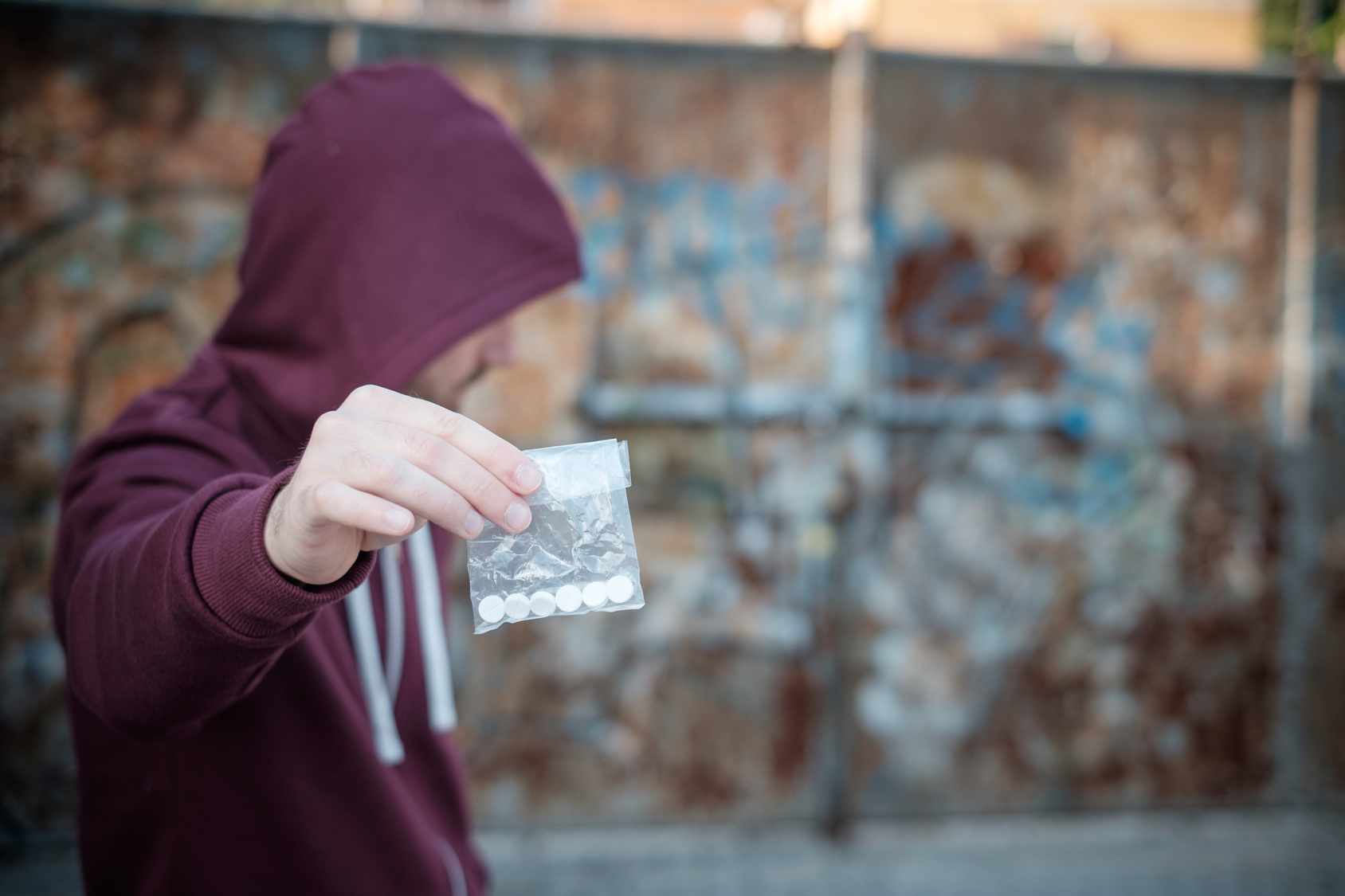
Approximately 1 out of every 100 people in the United States is incarcerated, which is higher than the once ration rate of anywhere in the world. The truth is that many of these prisoners and their crimes pertain to drug use. We all know that nonviolent drug users make up a significant portion of our prison population, but how does drug use relate to other types of crime? And what effect does it have on our criminal justice system and its method of reducing crime in our communities? This series will explore some of the facts and statistics of how prevalent drugs are in the entire world of crime, and how these numbers have adapted over the years.

A recent study conducted by researchers at Oregon Health and Science University and published in the Journal of General Internal Medicine has outlined some guidelines for physicians and pharmacists in order to reduce the likelihood of opioid dependence in patients being prescribed opioids.

Accountability is a critical element in recovery. It helps keep you grounded, gives you a sense of routine, and sometimes it might be what keeps you going in sobriety when your motivation to stay clean is running low. Because accountability comes in so many forms, it will look different in every individual’s recovery. Here is a look a some of the many ways that you might find and build accountability in your own recovery.

Earlier this month we discussed in this blog post what the downward spiral of addiction looks like, taking you through a cycle that involved repeated negative feelings and compulsive actions. It can be easy to see addiction as a downward spiral, where there appears to be no way out; but the good news is that it’s possible to break the cycle of addiction. In fact, you might imagine breaking the cycle of addiction as a kind of “upward spiral,” where the individual actively rewires the brain and engages in positive actions as they progress in recovery.

When describing the negative effects that addiction can have on a person’s life, people frequently use the phrase “downward spiral.” But what does this phrase mean, exactly?

This topic looms large in the mind of any single former addict. You struggle to put your past behind you, but still need to be vigilant about your personal challenges, and truthful about your history.

In our last post, we briefly talked about the people in your life who have to know about your addiction recovery. Today, we talk about something a little harder to determine: the negotiables.

>After embarking on the addiction recovery process, it’s difficult to know how much you should share with the people around you. We don’t want to make the mistake of oversharing and being awkward or a burden on those around us. On the other hand, keeping secrets can strain relationships and be unfair to those around us. It can even impede recovery. So here’s a quick guide and some advice.

When a loved one returns from an addiction recovery program, we struggle to know how to interact. Strained relationships, and misunderstandings between the recovering individual and his or her loved ones can lead to isolation that severely impairs healing and regrowth.

Alcohol has, of course, been linked with many different types of cancer—particularly liver cancer. In fact, it has been classified by the International Agency for Research on Cancer (IARC) of the World Health Organization as a Group 1 carcinogen, meaning that there is sufficient evidence to show that alcohol can directly cause cancer in humans. But just how strong are these links from alcohol to various forms of cancer, and which forms of cancer are those with alcohol addiction most at risk of developing? Here is an in-depth look at alcohol and cancer.