Drug classifications are widely used by doctors, treatment providers, and law enforcement to identify how substances affect the body and mind. Some drugs speed up brain activity while others slow it down, and mixing categories can overload the body’s systems with serious, sometimes fatal results.
At Renaissance Recovery Center, we specialize in helping individuals and families facing substance use disorder. Our licensed professionals guide clients through safe, effective outpatient treatment programs designed to support recovery without judgment. We’re here 24/7 to answer questions and provide hope.
- Licensed & Accredited Programs
- Experienced Recovery Specialists
- Compassionate Support You Can Trust
Take the first step toward recovery. Call us today.
Get a Free EstimateWhat People Say About Us


Why Ignoring Addiction Costs More Than You Think
When substance use is brushed aside, the consequences reach far beyond health. Relationships strain, finances suffer, and physical risks like overdose or long-term illness increase. For families, the silence can feel heavier than the problem itself. Recognizing the dangers early and seeking support makes a profound difference in outcomes, both for the individual and their loved ones.
Learn more about the role of family in recovery.
How We Help: Benefits of Choosing Professional Support

Expert Clinicians
Medical doctors and addiction specialists guide recovery every step of the way.
Personalized Outpatient Programs
Tailored to fit each person’s needs, schedules, and goals.
Compassionate Support
Our team creates a judgment-free space where healing feels possible.
Evidence-Based Tools
From cognitive therapies to relapse prevention, we focus on long-term success.
The 6 Categories of Addictive Drugs
Addictive drugs can be legal or illegal, and they can be consumed in different ways. When misused, they often lead to substance use disorder (SUD), which impacts health, relationships, finances, and quality of life. Below are the six main categories of drugs, with examples and their effects.
This section is sometimes called a type of drugs list because it gives people a clear breakdown of the major drugs and different drug names found across each category.
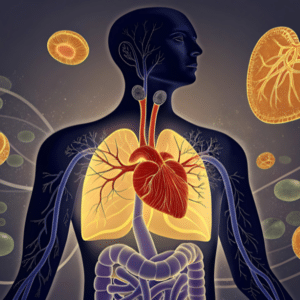
Opioids and Morphine Derivatives
Opioids are among the most abused drug categories in the United States. They relieve pain but also create euphoria, which makes them highly addictive. Side effects can include nausea, confusion, drowsiness, and slowed breathing.
Examples include:
-
Opium
-
Heroin
-
Codeine
-
Hydrocodone
-
Morphine
-
Oxycodone
Cannabinoids
Cannabinoids are compounds found in cannabis and related substances. They can produce relaxation or euphoria but also cause anxiety, memory issues, and slowed reaction times.

Examples include:
-
Hashish
-
Cannabinol
Depressants
Depressants slow the central nervous system. Known as "downers," they create a calming or sedative effect but are highly addictive. Withdrawal without medical support can be dangerous.
Examples include:
-
Barbiturates
-
Benzodiazepines (e.g., Xanax, Valium)
-
GHB
-
Tranquilizers
Stimulants
Stimulants increase energy and alertness by speeding up nervous system activity. Often called "uppers," these drugs create short-term highs but carry long-term risks like heart problems, paranoia, and addiction.
Examples include:
-
Methamphetamines
-
Amphetamines
-
Ritalin
Hallucinogens
Hallucinogens alter perception and cause users to see or hear things that aren’t real. They can also trigger paranoia, anxiety, and dangerous physical reactions.
Examples include:
-
LSD
-
Mescaline
-
Psilocybin (mushrooms)
Inhalants
Inhalants are everyday chemicals misused for their quick high. They deprive the brain of oxygen and can cause severe, permanent damage to the brain, lungs, and other organs.
Examples include:
-
Nitrous oxide ("laughing gas")
-
Aerosol sprays
-
Paint thinner
-
Glue
-
Gasoline
What About Prescription Drugs?

Prescription medications are intended to treat pain, anxiety, or attention disorders. When taken as directed, they can improve lives. But misuse - taking higher doses, combining with other substances, or using without a prescription - carries the same risks as illicit drugs, including addiction, overdose, and lasting health damage.
Common categories misused include:
-
Opioids like codeine, morphine, and oxycodone
-
Stimulants like Adderall and Dexedrine
-
Depressants like benzodiazepines and barbiturates
See our guide on prescription drug addiction.
Why Choose Renaissance Recovery Center
Trusted by Individuals and Families Everywhere
-
Over 15 years of experience
-
Accredited and licensed programs
-
Professional and compassionate staff
-
Community trust backed by testimonials
-
Available 24/7 for immediate support
Our Core Services
At Renaissance Recovery Center, we focus on outpatient care that provides flexibility without sacrificing results.
-
Individual & Group Therapy
-
Tele-Therapy Options
Learn More About Our Services
Frequently Asked Questions
Which drugs are most addictive?
Opioids (like heroin, oxycodone, and fentanyl), stimulants (such as methamphetamine and cocaine), and depressants (like alcohol and benzodiazepines) are considered among the most addictive because of how they alter brain chemistry. These substances trigger strong reward responses, creating physical dependence and psychological cravings. Addiction can develop quickly, and stopping use without medical supervision may cause severe withdrawal symptoms. This is why professional treatment is often necessary.
See more on addiction treatment.
Can prescription drugs be as dangerous as illegal drugs?
Yes. Prescription drugs are safe and effective when used exactly as directed by a healthcare provider, but misuse is widespread. Taking higher doses than prescribed, using someone else’s medication, or combining prescriptions with alcohol or other drugs can be just as dangerous as using illicit substances. For instance, opioid painkillers can cause overdoses, stimulants like Adderall can lead to heart issues, and benzodiazepines can cause dependence. In some cases, prescription misuse has fueled entire public health crises, such as the opioid epidemic.
How do I know if someone I love is abusing drugs?
Signs of drug misuse vary depending on the substance but often include sudden mood changes, withdrawal from friends or family, neglecting responsibilities, changes in sleep or appetite, financial troubles, and secrecy. Physical signs may include slurred speech, red eyes, unexplained weight loss, or unusual smells on breath or clothing. If you notice these signs, it doesn’t always confirm drug use, but it’s a strong signal that support and professional evaluation may be needed.
Read our guide on how to recognize drug use.
What are kinds of drugs?
Kinds of drugs usually refers to the same categories as types of drugs. These include opioids, cannabinoids, depressants, stimulants, hallucinogens, inhalants, and prescription drugs. Each kind produces different effects and risks, from increased energy to slowed breathing or distorted perceptions.
What are all types of drugs?
All types of drugs fall into general classifications such as stimulants, depressants, hallucinogens, opioids, cannabinoids, inhalants, and prescription medications. Each type includes many different drug names that may be familiar, such as cocaine, alcohol, marijuana, or morphine.
What are different drug names?
Different drug names often refer to substances within the same type of drugs. For example, opioids include morphine, oxycodone, and fentanyl. Stimulants include cocaine, methamphetamines, and prescription medications like Adderall. Depressants include alcohol and benzodiazepines such as Xanax. Knowing the drug types and their names can help families identify misuse and find treatment.
Does Renaissance Recovery serve areas outside the local community?
Yes. We regularly work with individuals and families wherever they are located. Our outpatient programs and tele-therapy options make treatment accessible no matter where you live.
Where We Serve
Address:
Renaissance Recovery Center
459 North Gilbert Road Suite B-140
Gilbert, AZ 85234
Ready to Begin Your Recovery Journey?
Recovery is possible - and it can start today. At Renaissance Recovery Center, we provide expert outpatient programs designed to help you overcome addiction and regain control of your life.
Renaissance Recovery Center is here when you’re ready